
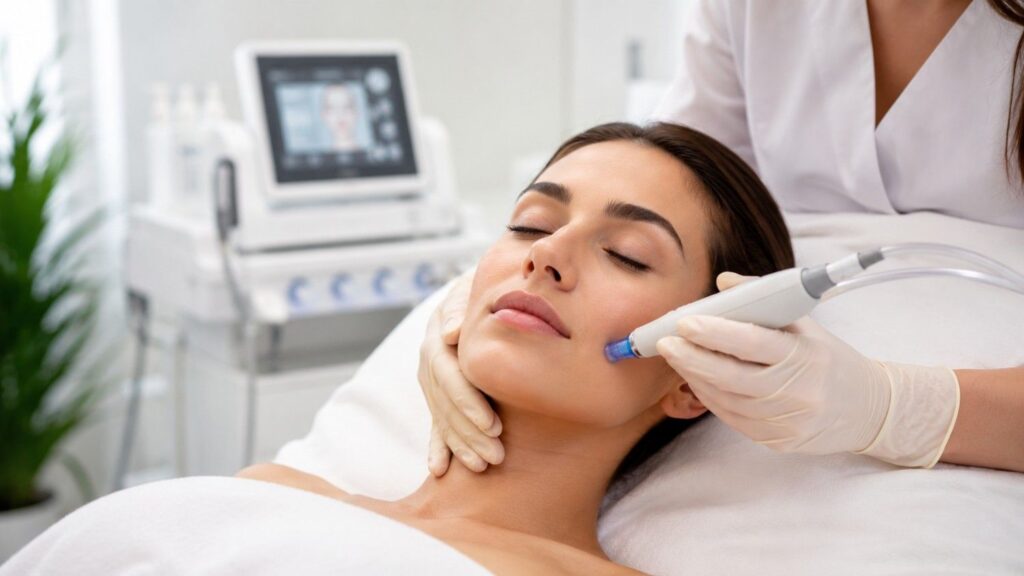
Top Non-Surgical Cosmetic Treatments: Benefits, Risks and Best Uses
Non-surgical cosmetic treatments have changed the way people approach facial rejuvenation, skin improvement, hair reduction and body contouring. Instead of committing immediately to an operation, suitable patients can now consider injectables, chemical peels, light-based procedures, microneedling and external devices. These options often involve shorter recovery periods than surgery, but they still require informed decision-making and professional clinical judgement.
The best non-surgical cosmetic procedures are not necessarily the newest, most expensive or most widely promoted. Their value depends on whether the treatment correctly matches the patient’s concern. Botulinum toxin may help with wrinkles that appear during facial expression, but it will not restore lost cheek volume. A filler can replace or add volume, but it may not improve widespread sun damage. A chemical peel can refresh selected surface concerns, but it cannot produce the structural lifting achieved through surgery.
It is also important to distinguish between “non-surgical,” “non-invasive” and “minimally invasive.” Injectables and microneedling break the skin, even though they do not involve a traditional operation. Laser and chemical treatments intentionally create a controlled response in the skin. This means that downtime, discomfort and complication risks cannot be dismissed simply because no surgical incision is involved.
This guide explains how the leading treatments work, which concerns they are commonly used for, what limitations patients should understand and how to choose an appropriately qualified provider. It is designed for educational purposes and does not replace personalised advice from a licensed healthcare professional.
What Counts as a Non-Surgical Cosmetic Treatment?
A non-surgical cosmetic treatment is a procedure intended to change, enhance or refresh a person’s appearance without a traditional operation involving large incisions, general anaesthesia or extensive surgical recovery. The category covers a wide range of interventions, from surface-based devices to injectable products. However, these treatments differ significantly in how they work, how deeply they affect the tissue and what level of medical oversight they require.
Some treatments alter muscle activity, while others replace volume or stimulate a controlled healing response. Lasers and light-based devices deliver energy into selected skin structures. Chemical peels remove varying depths of damaged surface tissue. Microneedling creates controlled punctures, and body-contouring technologies may use cold, heat, radiofrequency or ultrasound.
These procedures are often promoted as convenient alternatives to surgery. While they may involve shorter appointments and less visible recovery, they can still produce significant biological effects. The label “non-surgical” should therefore never be interpreted as meaning completely risk-free.
A realistic treatment plan must also recognise the limits of the category. Non-surgical treatments may soften, refresh, contour or improve selected concerns, but they cannot always correct significant skin laxity, advanced tissue descent or major structural changes. When expectations exceed what a minimally invasive treatment can deliver, repeated procedures may create expense and risk without achieving the desired result. An ethical practitioner should explain these limitations clearly and discuss whether observation, skincare, another procedure or surgery would be more appropriate.
Non-Surgical Does Not Always Mean Non-Invasive
The terms “non-surgical” and “non-invasive” are often used as though they mean the same thing, but this is not technically accurate. A genuinely non-invasive procedure does not puncture or cut the skin. Some external body-contouring and light-based treatments fall into this category because the applicator remains on the skin’s surface.
By contrast, botulinum toxin and dermal fillers require needles or cannulas to place a product beneath the skin. Microneedling deliberately creates controlled microchannels, while radiofrequency microneedling combines needle penetration with thermal energy. Chemical peels create a controlled injury by removing selected layers of skin, and some laser treatments produce a deliberate resurfacing effect.
This distinction matters because minimally invasive treatments carry injection-, wound- or heat-related risks that may not be associated with a completely external procedure. These can include infection, bruising, pigment changes, burns, scarring, nerve injury or damage to blood vessels.
Patients should therefore ask how the treatment reaches its target, what tissue it affects and how the skin is expected to respond. Understanding the mechanism is more useful than relying on broad marketing terms such as “lunchtime treatment,” “needle-free transformation” or “zero downtime.”
Results Should Improve a Specific Concern
A successful cosmetic treatment plan begins with a clearly defined concern. Broad requests such as “I want to look younger” or “I want better skin” are difficult to assess because they do not explain what the patient actually wants to change. A more precise goal might be to soften forehead movement, restore cheek volume, reduce post-acne pigmentation or improve the appearance of rolling acne scars.
Specific goals help the practitioner identify the correct treatment category and establish measurable expectations. Dynamic wrinkles, for example, result primarily from repeated muscle movement and may be approached differently from lines that remain visible when the face is at rest. Volume loss requires another strategy, while surface texture, pigmentation and redness may require skin-directed treatments.
A focused concern also makes it easier to evaluate results. Instead of expecting a complete transformation, the patient and practitioner can assess whether a particular fold, scar, colour irregularity or contour has improved.
In my experience, the most useful consultations separate what can realistically be improved from what cannot. A responsible provider should be willing to say that a treatment is unlikely to meet the patient’s goal. Recommending no procedure may sometimes be safer and more appropriate than forcing an unsuitable treatment plan.
Top Non-Surgical Cosmetic Treatments for Lines and Volume
Facial lines can develop for several different reasons, including repetitive muscle movement, changes in collagen, sun exposure, reduced skin elasticity and age-related volume loss. Because these causes are different, the same injectable should not be used automatically for every wrinkle. Correct assessment requires looking at the face both at rest and during expression.
The two main injectable categories are botulinum toxin products and dermal fillers. Botulinum toxin temporarily reduces the activity of selected muscles. It is usually considered for dynamic lines that become more visible when a person frowns, smiles or raises the eyebrows. Dermal fillers work by adding volume or structural support and may be used in areas affected by hollowing, contour deficiency or selected deeper folds.
These procedures are sometimes combined, but combination treatment should be based on anatomy and clinical need rather than a standard package. Overusing either category may create heaviness, imbalance, reduced expression or an appearance that does not suit the individual’s features.
Patients should also understand that cosmetic injectables require ongoing maintenance if they wish to preserve the effect. The duration varies according to the product, treatment area, dose, metabolism and individual response. Results can never be guaranteed to look identical between patients.
Most importantly, injectables are medical procedures. Safe treatment requires genuine products, appropriate storage, detailed anatomical knowledge, sterile technique and the ability to recognise complications quickly. Price should not be considered separately from practitioner competence, product traceability and access to follow-up care.
Botulinum Toxin Injections for Dynamic Wrinkles
Botulinum toxin type A temporarily reduces nerve signals to selected muscles. In aesthetic practice, it is commonly used to soften dynamic facial lines such as frown lines, horizontal forehead lines and crow’s feet. The aim is usually to reduce excessive contraction while preserving enough movement for natural expression.
The outcome depends on precise assessment and placement. Treating one muscle group without considering surrounding muscles may alter eyebrow position, smile balance or facial expression. Excessive dosing can create an unwanted frozen appearance, while under-treatment may provide little visible change. Results are temporary, and repeat treatment is generally required if the patient wishes to maintain the effect.
Common short-term problems can include injection-site tenderness, bruising, headache, temporary asymmetry or unwanted weakness in a nearby muscle. Eyelid or eyebrow drooping may occur if the toxin affects an unintended area.
Rare systemic complications require urgent attention. In July 2026, the UK MHRA strengthened warnings for botulinum toxin type A products following reports of rare treatment-related botulism. Warning symptoms include difficulty breathing or swallowing, slurred speech and widespread muscle weakness.
Dermal Fillers for Volume Loss and Facial Contouring
Dermal fillers are injectable materials used to add volume, support selected facial structures or soften particular contour irregularities. Hyaluronic acid fillers are widely recognised, but products differ in thickness, flexibility, lifting capacity and intended treatment area. A filler suitable for the lips may not be appropriate for the cheeks or another anatomical region.
Treatment should begin with a full facial assessment rather than focusing only on the area the patient initially identifies. For example, a deep fold may be influenced by broader changes in facial support, and directly filling the line may not always create the most balanced result.
Temporary swelling, bruising, tenderness and unevenness can occur after treatment. Other possible concerns include infection, delayed inflammation, visible product, lumps, migration or an unsatisfactory shape. Some complications may appear weeks or months after the injection.
The most serious risk is accidental injection into a blood vessel. The FDA states that vascular injection can interrupt blood flow and may lead to skin necrosis, visual abnormalities including blindness or stroke. Although uncommon, these complications may be permanent. This is why filler treatment requires strong anatomical knowledge, emergency preparedness and prompt recognition of warning signs such as severe pain, blanching, discolouration or vision changes.
Best Skin Resurfacing and Collagen-Stimulating Options
Skin resurfacing and collagen-stimulating treatments are usually considered when the main concern involves the quality of the skin rather than facial volume or muscle movement. Common concerns include fine surface lines, uneven pigmentation, enlarged-looking pores, acne scars, sun damage, rough texture and selected types of redness.
These treatments work in different ways. Chemical peels use controlled chemical exfoliation. Lasers deliver specific wavelengths of energy, while intense pulsed light uses a broader spectrum of light. Traditional microneedling creates controlled microchannels, and radiofrequency microneedling combines needle penetration with heat delivered below the surface.
The appropriate treatment depends on the skin condition, scar type, skin tone, medical history and amount of downtime the patient can accept. More intensive treatment is not automatically better. A deeper procedure may create a stronger response, but it can also require longer recovery and carry a greater risk of prolonged redness, infection, scarring or pigment alteration.
Patients with darker skin tones require especially thoughtful treatment planning because inflammation or injury can sometimes lead to post-inflammatory hyperpigmentation or loss of pigment. This does not mean that resurfacing treatments are unsuitable, but device selection, treatment depth and practitioner experience become particularly important.
A professional assessment should also determine whether the concern is cosmetic or potentially medical. A changing pigmented lesion, persistent rash or unexplained skin growth should not simply be covered or treated with an aesthetic device before appropriate medical evaluation.
Laser and Light-Based Skin Treatments
Laser and light-based treatments use controlled energy to target selected skin structures. Different devices may be designed to address pigmentation, visible blood vessels, redness, acne scars, fine lines, hair follicles or overall skin texture. The word “laser” does not describe one standard treatment, and results cannot be compared without knowing the device, wavelength, energy settings and intended use.
Ablative resurfacing removes part of the skin’s surface and generally requires more recovery. Non-ablative technologies work differently and may involve less visible downtime, although multiple sessions may be recommended. Intense pulsed light is not technically a laser; it delivers multiple wavelengths and may be used for selected pigmentary or vascular concerns.
Common temporary effects can include redness, swelling, warmth, sensitivity or mild crusting. More serious complications may include burns, blistering, infection, prolonged redness, scarring and unwanted changes in skin colour. The American Academy of Dermatology notes that laser and light treatments can cause burns, blisters, scarring and pigment changes, particularly when performed by an inexperienced provider.
Sun avoidance and appropriate aftercare are essential because recently treated skin can be more vulnerable to irritation and pigmentation.
Chemical Peels for Tone and Surface Texture
A chemical peel uses a carefully selected solution to remove controlled layers of damaged or uneven skin. Peels vary from superficial treatments with relatively limited recovery to deeper procedures that create a more significant wound and require structured healing. The correct depth depends on the patient’s concern, skin tone, previous treatment history and tolerance for downtime.
Superficial peels may be used to improve dullness, mild uneven tone, surface roughness or selected forms of acne. Medium or deeper peels may address more established photo-ageing or textural concerns, but they also carry greater risks and should not be treated as casual beauty services.
After a peel, the skin may become red, tight, dry or flaky. The AAD explains that even a light “lunchtime” peel may involve one to seven days of healing, followed by scaling in some patients. Consistent moisturisation and sun protection form an important part of recovery.
Strong at-home peeling solutions should be approached cautiously. The AAD reports that some products sold for home use have caused serious injuries and advises that chemical peels be used under the supervision of a licensed, trained provider.
Microneedling and RF Microneedling
Traditional microneedling uses fine needles to create controlled microchannels in the skin. The procedure is intended to stimulate a wound-healing response and may be considered for selected acne scars, wrinkles, textural irregularities and other approved or professionally assessed concerns. The depth and pattern of treatment should be adjusted according to the area and indication.
Short-term effects can include redness, tightness, dryness, peeling, bruising or pinpoint bleeding. Less common risks include infection, pigment changes and reactivation of cold sores. The FDA has legally authorised specific microneedling devices for defined uses and treatment areas, but this does not mean that every device marketed online has been evaluated for every cosmetic claim.
Radiofrequency microneedling adds thermal energy through the needles. This can create a different biological response but also introduces heat-related risks. In October 2025, the FDA warned about reports of serious complications associated with certain RF microneedling uses, including burns, scarring, fat loss, nerve damage and disfigurement. Some cases required medical intervention.
RF microneedling should therefore be treated as a medical procedure rather than an enhanced facial or home skincare technique.
Hair Reduction and Body-Contouring Treatments
Non-surgical aesthetic procedures are not limited to facial ageing. Laser hair removal and device-based body contouring are widely considered by people who want to reduce unwanted hair or improve the appearance of a specific body area without undergoing surgery.
These two categories should not be confused. Laser hair removal targets pigment associated with the hair follicle, while body-contouring treatments attempt to affect localised fat, muscle tone, skin appearance or cellulite using external energy. Neither category produces identical results for every patient.
Laser hair removal commonly requires multiple appointments because hairs grow through different cycles and are not all equally responsive during one session. Maintenance appointments may also be needed. Hair colour, skin tone, hormonal influences and the selected device can affect the outcome.
Non-invasive body contouring may use cooling, heat, radiofrequency, ultrasound or low-level light. These treatments are designed to change the appearance of a limited area, not to produce overall weight loss. A person with a stable weight and a small, localised concern may be a more appropriate candidate than someone expecting the procedure to treat obesity.
Before beginning either treatment, patients should ask how many sessions may be needed, what degree of improvement is realistic and whether there are medical or skin-related reasons to postpone treatment. Promotional photographs should not replace an individual assessment because lighting, posture and patient selection can significantly affect how results appear.
Laser Hair Removal for Long-Term Hair Reduction
Laser hair removal uses light energy that is absorbed by pigment associated with the hair. The energy is intended to damage or reduce the activity of suitable hair follicles, leading to progressive hair reduction. Because the procedure works most effectively during particular stages of hair growth, a course of treatments is usually required.
Modern devices can treat many skin tones, but treatment settings must be selected carefully. Hair colour, skin colour, tanning, hormonal conditions, medication and previous skin reactions can all influence suitability. Grey, white or very light hair may respond differently because less pigment is available to absorb the energy.
Temporary redness and swelling around the follicles are common. Burns, blistering, infection, scarring and permanent lightening or darkening of the skin are possible, especially when unsuitable equipment or settings are used. The AAD warns that laser hair removal can be dangerous in inexperienced hands and recommends choosing a practitioner with advanced knowledge of lasers and skin.
Patients should disclose recent tanning, keloid tendencies, cold sores and medication use before treatment. Daily sun protection and adherence to preparation instructions can help reduce preventable complications.
Non-Invasive Body Contouring for Localised Bulges
Non-invasive body-contouring treatments use external applicators to influence the appearance of selected body areas. Technologies may involve controlled cooling, heat, radiofrequency, ultrasound, magnetic stimulation or low-level light. Cryolipolysis, often described as fat freezing, applies controlled cooling to a localised area with the aim of affecting fat cells.
These procedures are intended for contour refinement rather than overall weight management. The FDA states that non-invasive body contouring does not treat obesity, result in meaningful weight loss or provide the medical benefits associated with losing weight.
Results may develop gradually, and multiple sessions may be recommended. The extent of change can be modest, so patients expecting the dramatic reduction associated with surgery may be disappointed.
Common temporary effects include discomfort, redness, swelling, bruising, numbness or tenderness. Depending on the technology, less common problems can include burns, prolonged pain, nodules, contour irregularity or tissue injury. Some complications may require additional medical or surgical treatment.
A consultation should clarify the exact device, the body area for which it is intended, the likely degree of improvement and the possibility of no meaningful response. Patients should also be cautious of unapproved injections or products advertised as home fat-dissolving solutions.
How the Top Non-Surgical Cosmetic Treatments Compare
Comparing non-surgical cosmetic procedures requires more than looking at price or downtime. Each treatment acts on a different anatomical or biological target. A procedure designed to reduce muscle movement cannot automatically replace lost volume, and a treatment that improves pigmentation may have little effect on skin laxity.
The comparison should begin with the primary concern. Dynamic wrinkles may lead to a discussion about botulinum toxin. Facial hollowing or contour deficiency may be considered for filler. Acne scars, surface lines or sun damage may require a resurfacing or collagen-stimulating approach. Unwanted hair and localised fat concerns require entirely different technologies.
Patients should then compare the expected degree of improvement, number of appointments, recovery, maintenance requirements and complication profile. A procedure with minimal visible downtime may provide a more subtle result, while an intensive resurfacing treatment may offer greater change but require longer healing.
Cost should be calculated across the full treatment plan rather than per appointment. A low initial price may become expensive if frequent sessions or corrections are needed. Equally, an expensive procedure is not automatically more effective or safer.
The table below offers a broad educational comparison. Exact outcomes and recovery periods vary according to the product, device, practitioner, treatment intensity and patient. No table can replace an assessment of medical history, skin characteristics and individual anatomy.
| Treatment | Commonly Considered For | Usual Treatment Pattern | Typical Downtime | Important Limitation |
|---|---|---|---|---|
| Botulinum toxin | Dynamic forehead, frown and eye-area lines | Repeat treatment as effects reduce | Usually limited | Does not replace facial volume |
| Dermal fillers | Volume loss, lips, cheeks and selected contours | Single or staged treatment with review | Swelling and bruising may occur | Vascular complications can be serious |
| Laser resurfacing or IPL | Pigmentation, redness, texture and selected scars | One treatment or a planned course | Device- and intensity-dependent | Incorrect settings may cause burns or pigment changes |
| Chemical peels | Surface texture, dullness and uneven tone | Single or repeat treatments | Depends on peel depth | Stronger treatment is not always more appropriate |
| Microneedling | Acne scars, fine lines and texture | Usually performed as a course | Temporary redness and sensitivity | RF versions introduce additional heat-related risks |
| Laser hair removal | Progressive reduction of unwanted hair | Multiple sessions with possible maintenance | Usually limited | Response varies by hair and skin characteristics |
| Body contouring | Small localised fat bulges or cellulite appearance | One or more device sessions | Usually limited but device-dependent | It is not a weight-loss treatment |
Choose According to the Concern, Not the Trend
Aesthetic trends move quickly, but facial anatomy and skin biology do not change according to what is popular online. Selecting a treatment because it is fashionable can lead to disappointing results, unnecessary expense or avoidable complications.
The first question should always be: what is causing the concern? Forehead lines that appear during expression may relate primarily to muscle movement. A hollow under-eye area may involve volume loss, skin quality, facial structure or several factors together. Pigmentation may result from sun exposure, inflammation, melasma or another condition requiring different management.
The second question is whether the treatment can realistically address that cause. Filler should not be used simply because a patient requests volume, and a laser should not be selected without identifying the type and depth of the pigment or scar.
A practitioner should also consider whether doing less will produce a better result. Staged treatment allows the response to be reviewed before additional product or energy is used. In some cases, skincare, medical treatment or observation may be more appropriate than a cosmetic procedure.
Trend-independent planning produces results that are more likely to suit the individual rather than imitate a temporary aesthetic ideal.
Balance Results Against Downtime and Risk
Every cosmetic procedure involves a balance between the desired improvement and the level of inconvenience or risk a patient is prepared to accept. Treatments described as having minimal downtime may still cause temporary redness, bruising, swelling or sensitivity. More intensive procedures can require days or weeks of visible healing.
Patients should distinguish between social downtime and complete biological recovery. Someone may feel comfortable returning to work after the visible redness settles, while the skin may remain more sensitive to sunlight, irritation or active skincare products for longer.
Before making a decision, compare the expected improvement, number of treatments, recovery instructions, maintenance schedule, total cost and possible complications. It is also useful to ask what happens if the treatment provides little improvement or causes an unwanted result.
A patient preparing for a wedding, holiday or professional event should avoid scheduling an unfamiliar treatment immediately beforehand. Bruising, peeling, swelling or pigment changes do not always resolve according to an ideal timeline.
The best plan is not necessarily the most aggressive. It is the one that offers a reasonable chance of meaningful improvement while keeping the level of risk, downtime and maintenance acceptable to the individual.
| Skin Concern | Most Suitable Treatment | Why It May Be Recommended | Key Consideration |
|---|---|---|---|
| Dynamic wrinkles | Botulinum toxin injections | Relaxes facial muscles responsible for expression lines | Requires repeat treatments to maintain results |
| Volume loss | Dermal fillers | Restores facial volume and improves contour | Should be performed by an experienced provider |
| Uneven skin texture | Microneedling | Encourages collagen production and smoother skin | Multiple sessions are often needed |
| Pigmentation and sun damage | Laser resurfacing or IPL | Targets discoloration and improves skin tone | Device selection depends on skin type |
| Dull skin and superficial imperfections | Chemical peels | Removes damaged surface skin for a fresher appearance | Peel strength should match skin condition |
| Unwanted hair | Laser hair removal | Provides long-term reduction in hair growth | Works best after a treatment course |
| Localized fat bulges | Non-invasive body contouring | Improves body shape without surgery | Not intended for weight loss |
How to Choose a Safe Provider and Treatment Plan
Choosing a suitable practitioner is one of the most important parts of any cosmetic treatment. The same product or device can produce very different outcomes depending on patient selection, anatomical knowledge, technique, hygiene standards and the ability to manage complications.
A professional-looking clinic, large social-media following or extensive gallery of before-and-after photographs does not prove clinical competence. Images can be influenced by lighting, makeup, camera angle and patient selection. Reviews may provide useful context, but they should not replace verification of qualifications and professional registration.
Regulation varies between countries and between treatment types. Patients should check which profession is legally permitted to prescribe or perform the procedure in their location. They should also confirm whether the practitioner has appropriate indemnity insurance and access to medical support.
A safe provider should be willing to discuss the limitations of treatment. Be cautious when a clinic guarantees exact results, describes a procedure as completely risk-free or recommends several treatments without assessing the patient’s medical history.
The consultation should feel educational rather than promotional. Patients need enough time to consider the information, compare alternatives and decide without pressure. A clinic should also provide written aftercare details and a clear route for contacting the treatment team if a problem develops. The quality of follow-up care matters because some complications appear after the patient has left the clinic.
Verify Qualifications, Products and Devices
Before booking, patients should verify the practitioner’s full name, professional role, registration status, relevant training and experience with the exact treatment. A short attendance certificate does not necessarily demonstrate advanced competence in facial anatomy, skin assessment or emergency management.
For injectable procedures, ask who is responsible for prescribing the product and who will administer it. Patients should be told the product name, manufacturer and intended treatment area. Packaging should be sealed and traceable, and the clinic should keep appropriate batch records.
For laser, light, microneedling or body-contouring procedures, request the device name and ask why it is suitable for the concern and skin type. Phrases such as “medical grade,” “clinically proven” or “FDA approved” are often used broadly. The provider should be able to explain the device’s intended use rather than relying on a promotional label.
Patients should also ask how frequently the practitioner performs the procedure and how complications are handled. Experience should include recognising when not to treat.
Warning signs include unlabelled syringes, treatments performed in unsuitable environments, injectables purchased through social media and providers unwilling to discuss their qualifications. A low-cost procedure is not good value if safety standards, product authenticity or follow-up care are uncertain.
Expect a Proper Consultation
A thorough consultation should take place before treatment and should be more detailed than choosing an area from a price list. The practitioner needs to understand the patient’s goals, medical history, medication, allergies and previous reactions to cosmetic procedures.
Relevant information may include pregnancy or breastfeeding, autoimmune conditions, bleeding disorders, active infection, cold sores, recent tanning, keloid scarring, previous fillers, dental treatment, skin sensitivity and the use of medicines that affect bleeding or healing. The importance of each factor depends on the proposed treatment.
The practitioner should examine the area in suitable lighting and, where relevant, assess facial movement, skin thickness, pigmentation, scarring pattern and underlying structure. They should explain what the treatment can improve, what it cannot change and whether another option may be more appropriate.
A proper consultation also includes informed consent. This means discussing common side effects, rare but serious complications, expected recovery, alternatives and the option of having no treatment.
Patients should not feel pressured to proceed immediately. They should have an opportunity to ask questions, review written information and consider the decision. A consultation that focuses almost entirely on discounts or package upgrades is unlikely to provide the level of assessment required for responsible treatment planning.
| What to Verify | Why It Matters |
|---|---|
| Practitioner qualifications | Helps ensure treatments are performed safely and appropriately |
| Product or device information | Confirms the treatment uses approved and traceable products |
| Experience with your skin type | Reduces the risk of avoidable complications |
| Medical history review | Identifies conditions that may affect treatment safety |
| Discussion of expected results | Creates realistic expectations before treatment |
| Recovery and aftercare instructions | Helps support proper healing and better outcomes |
| Emergency complication plan | Ensures the provider can respond appropriately if problems occur |
Follow Aftercare and Report Warning Signs
Aftercare is an essential part of the procedure rather than an optional extra. Instructions vary according to the treatment, so patients should follow the guidance provided for the exact product or device used. Generic advice found online may not reflect the intensity, treatment area or individual medical factors involved.
Common instructions may include avoiding excessive heat, strenuous exercise, alcohol, direct sun exposure or certain skincare products for a specified period. After resurfacing procedures, gentle cleansing, moisturisation and high-level sun protection may be particularly important. Patients should avoid picking, scratching or peeling healing skin because this may increase the risk of infection or scarring.
Some symptoms require urgent assessment. Following filler treatment, severe or increasing pain, pale or mottled skin, rapidly changing discolouration or visual disturbance can indicate a vascular problem. After botulinum toxin, difficulty swallowing, speaking or breathing, or widespread muscle weakness requires urgent medical attention.
Spreading redness, fever, pus, worsening swelling, blistering or severe burning may indicate infection or tissue injury after a skin procedure.
Patients should receive clear contact information for the treating clinic. A provider should not become unavailable once payment has been made or dismiss unexpected symptoms without appropriate assessment.
Quick Answer About Top Non-Surgical Cosmetic Treatments
The most suitable non-surgical cosmetic treatment depends on the exact concern being addressed. Botulinum toxin injections may help soften wrinkles created by repeated facial movement, while dermal fillers may restore volume or improve selected facial contours. Chemical peels, laser procedures and microneedling are generally considered when the main concerns involve pigmentation, acne scarring, sun damage, fine surface lines or uneven skin texture. Laser hair removal is intended for longer-term hair reduction, whereas non-invasive body-contouring devices target small, localised areas rather than producing meaningful weight loss.
There is no universally “best” procedure because skin type, facial anatomy, medical history, age, expectations and tolerance for downtime all influence treatment suitability. Two people with similar concerns may need different products, devices or treatment intensities.
The safest approach is to begin with a detailed consultation rather than selecting a treatment from social media, a promotional package or a before-and-after photograph. A qualified practitioner should assess the concern, explain realistic outcomes, discuss alternatives and identify possible contraindications. Non-surgical procedures may involve less recovery than surgery, but they can still cause burns, infection, scarring, pigment changes, vascular complications or unwanted aesthetic results. The provider’s qualifications and complication-management plan are therefore just as important as the treatment itself.
What Are the Leading Options?
The main treatment categories include cosmetic injectables, resurfacing procedures, collagen-stimulating treatments, laser hair reduction and device-based body contouring. Botulinum toxin injections are primarily used for dynamic wrinkles caused by muscle movement. Dermal fillers are used differently: they add volume, support selected facial structures or soften specific folds. These treatments should not be considered interchangeable because they address different aspects of facial ageing.
For concerns involving the skin’s surface, chemical peels, laser resurfacing, intense pulsed light and microneedling may be discussed. Depending on the chosen technology and treatment strength, these procedures may target pigmentation, redness, enlarged pores, acne scars, fine lines or uneven texture. Laser hair removal offers progressive hair reduction over a course of appointments, while non-invasive body-contouring devices may improve the appearance of a small fat bulge or selected contour.
Each option has limitations. Injectables do not replace skincare or treat every type of wrinkle, and resurfacing does not recreate the lifting effect of surgery. Body contouring also does not treat obesity or provide the health benefits associated with weight reduction.
What Is the Safest Way to Choose?
The safest decision begins with the concern rather than the procedure. A patient should first identify whether they want to reduce movement-related wrinkles, replace lost volume, improve pigmentation, smooth acne scars, reduce unwanted hair or address a localised body contour. This prevents the common mistake of choosing a fashionable treatment that does not match the underlying problem.
The next step is to verify the practitioner’s qualifications, professional registration, insurance and experience with the specific procedure. Patients should ask who will prescribe, perform and supervise the treatment. They should also request the name of the injectable product or energy-based device, its manufacturer and its intended use.
A proper consultation should cover medical conditions, medication, allergies, previous procedures, scarring history, skin sensitivity and realistic expectations. The practitioner should explain common side effects, rare but serious complications, downtime, aftercare and what will happen if a problem develops. A clinic that avoids these questions, uses unlabelled products or pressures someone to pay immediately should be treated cautiously. Safety depends on appropriate patient selection, genuine products, suitable equipment, correct technique and access to timely medical support.
Frequently Asked Questions
People comparing cosmetic procedures commonly want a simple answer about which option is safest, most effective or longest lasting. However, treatment suitability cannot be reduced to one universal ranking. A procedure that works well for one concern may be ineffective or inappropriate for another.
The most useful way to compare options is to identify the target. Muscle-related wrinkles, volume loss, pigmentation, acne scarring, unwanted hair and localised fat require different approaches. The patient’s skin tone, medical history, medication, previous procedures and expectations also affect the decision.
Safety depends on more than the general reputation of a treatment. The quality and authenticity of the product, suitability of the device, practitioner’s knowledge and availability of follow-up care all influence the risk profile.
Patients should also be cautious about the word “permanent.” Most non-surgical results either reduce gradually or require maintenance. Skin ageing, facial movement, hormonal influences and environmental exposure continue after treatment.
The following answers address common People Also Ask queries in clear language. They provide an educational starting point but cannot determine whether an individual should receive a particular injectable, peel, laser or device treatment. A face-to-face assessment remains necessary when medical history, anatomy or skin condition may affect safety.
What Are the Most Popular Non-Surgical Cosmetic Treatments?
Commonly requested options include botulinum toxin injections, hyaluronic acid dermal fillers, chemical peels, microneedling, laser and light-based treatments, laser hair removal and non-invasive body contouring. Their popularity reflects the wide range of concerns they can address and the fact that many require less recovery than traditional surgery.
However, popularity should not be used as evidence that a treatment is appropriate for a particular person. Botulinum toxin is mainly associated with muscle-related wrinkles, while filler is used for volume or contour. Chemical peels, lasers and microneedling focus more directly on skin quality. Laser hair removal and body contouring have separate purposes.
A treatment may also be widely requested because it is heavily promoted or temporarily fashionable. This does not change its limitations or complication profile.
The most appropriate procedure is the one that matches the concern, medical history, anatomy and realistic goal. Patients should therefore use popularity as a starting point for research, not as the main reason to proceed.
What Is the Best Non-Surgical Treatment for Wrinkles?
The best option depends on what is causing the wrinkle. Lines that become prominent when a person frowns, smiles or raises the eyebrows are dynamic wrinkles and may be considered for botulinum toxin. Lines associated with facial volume loss or structural change may require a different approach, which can include carefully selected dermal filler.
Fine lines caused by sun damage or reduced skin quality may respond better to chemical peels, laser resurfacing or microneedling. In some cases, a combined plan may address several causes, but combination treatment should be staged and personalised rather than offered automatically.
Not every wrinkle needs treatment, and not every line can be removed completely. Significant skin laxity or deeper structural ageing may not respond sufficiently to non-surgical procedures.
A consultation should assess the face both at rest and during movement. This helps the practitioner determine whether the main issue involves muscle activity, volume, skin quality or several factors. The best treatment is therefore diagnosis-dependent rather than product-dependent.
Are Dermal Fillers Safer Than Botox?
Dermal fillers and botulinum toxin have different mechanisms and complication profiles, so one cannot be described as universally safer than the other. Botulinum toxin temporarily reduces the activity of selected muscles, while fillers place a material beneath the skin to add volume or support.
Botulinum toxin can cause bruising, headache, asymmetry, eyelid drooping or unwanted weakness. In rare cases, toxin effects can spread beyond the treatment area and cause serious systemic symptoms.
Fillers can cause swelling, bruising, lumps, infection or delayed inflammation. Their most serious recognised risk is accidental injection into a blood vessel, which can interrupt blood flow and lead to tissue death, blindness or stroke.
The relative risk depends on the treatment area, product, dose, technique, practitioner and patient. Choosing a qualified medical professional who understands facial anatomy and can respond to complications is more useful than trying to label one injectable category as automatically safe.
Which Treatment Is Best for Acne Scars?
The best treatment depends on the type, depth and distribution of the acne scars. Rolling scars, boxcar scars and ice-pick scars have different structures and do not respond identically to one procedure. Pigmentation left after acne is also different from true textural scarring.
Microneedling, fractional laser resurfacing, chemical peels, subcision and selected injectable techniques may be considered as part of a professional plan. Some patients require a combination of treatments because one procedure cannot address every scar type.
Active acne should normally be assessed and controlled before aggressive scar treatment begins. Treating inflamed skin without an appropriate plan may increase irritation, infection or post-inflammatory pigmentation.
Skin tone also influences procedure choice. Patients prone to dark marks after inflammation may require conservative settings, preparation and careful aftercare.
A dermatologist or suitably qualified practitioner should examine the scars under proper lighting and classify them before recommending treatment. Generic packages advertised for “all acne scars” may produce limited results because they fail to account for the individual structure of each scar.
Are Non-Surgical Cosmetic Results Permanent?
Most non-surgical cosmetic treatments do not produce permanent results. Botulinum toxin gradually wears off as muscle activity returns. Many fillers change or break down over time, although duration varies widely by product and treatment area. Skin resurfacing can improve existing damage, but it does not stop future ageing or sun exposure.
Laser hair removal can create long-term reduction, but maintenance may still be needed. Hormonal changes and previously inactive follicles can influence future growth. Body-contouring treatments may change a localised area, but weight fluctuation and ageing can alter the result.
Patients should also understand that a long-lasting result is not always an advantage. An unwanted effect may be more difficult to manage when the product or tissue change persists.
During consultation, ask how long the result is expected to remain noticeable, what maintenance may involve and what factors could shorten the effect. Claims such as “permanent rejuvenation” or “lifetime results” should be approached cautiously unless the provider explains exactly what is meant and supports the claim appropriately.
How Much Downtime Should I Expect?
Downtime varies from minimal temporary redness to several weeks of visible healing. Botulinum toxin, filler and laser hair removal often allow a relatively quick return to routine activities, but bruising, swelling or tenderness may still be noticeable.
Superficial chemical peels and traditional microneedling commonly cause redness, dryness or flaking. More intensive lasers, deeper peels and aggressive energy-based treatments can require longer recovery and more detailed wound care.
Patients should ask separately about social downtime and full healing. Social downtime refers to when someone feels comfortable returning to work or public activities. Complete biological recovery may take longer, during which the skin can remain sensitive to sunlight, heat, active skincare or infection.
Recovery is also individual. Skin type, treatment intensity, medication, aftercare and previous reactions can change the timeline.
Avoid scheduling a first-time procedure immediately before a wedding, holiday or major event. A practitioner can provide a typical recovery range, but no responsible provider can guarantee that bruising, swelling or peeling will resolve by an exact day.
How Do I Find a Qualified Cosmetic Practitioner?
Start by checking the practitioner’s professional registration and whether they are legally permitted to prescribe or perform the intended treatment in your country. Confirm their full name, professional role, insurance and specific experience with the procedure.
Ask who will assess you, who will carry out the treatment and who will manage complications. For injectables, request the product name and manufacturer. For devices, ask for the equipment name and why it is suitable for your skin type and concern.
A reputable practitioner should discuss risks, limitations, alternatives and the possibility of no treatment. They should not guarantee exact outcomes or pressure you to pay immediately. Written consent and aftercare information should be provided.
Avoid providers using unlabelled products, home-purchased injectables or unsuitable treatment environments. Social-media popularity and low prices do not prove clinical competence.
The safest provider is not simply the person who performs the greatest number of treatments. It is the practitioner who combines technical skill with appropriate patient selection, honest communication, sterile practice and reliable follow-up care.
Conclusion
The leading non-surgical cosmetic treatments offer a wide range of options for people who want to address wrinkles, volume loss, pigmentation, acne scarring, unwanted hair or localised body contours without traditional surgery. Their growing availability has made aesthetic treatment more accessible, but it has also increased the importance of careful research and realistic expectations.
No single procedure is best for every concern. Botulinum toxin primarily targets muscle-related wrinkles, while dermal fillers add volume or support. Chemical peels, lasers and microneedling focus more directly on skin quality. Laser hair removal provides progressive hair reduction, and non-invasive body contouring is intended for limited contour improvement rather than weight loss.
The word “non-surgical” should never be interpreted as meaning risk-free. Injectable treatments can cause serious complications, and energy-based procedures can lead to burns, scarring or pigment changes when used incorrectly. Outcomes depend on the product or device, patient selection, treatment technique and quality of aftercare.
Before proceeding, define the exact concern, compare the benefits against the downtime and verify the practitioner’s qualifications. Ask what product or device will be used, how complications are managed and what results are genuinely realistic.
A conservative, personalised plan is usually more effective than selecting a procedure because it is trending online. The goal should be a balanced improvement that respects the patient’s anatomy, skin and long-term wellbeing.